Robert Wyatt has new music out, and if you've ever liked a piece of jazz, you should be at least intrigued by that prospect. Wyatt's work, often associated with progressive or experimental rock, has always embodied values central to jazz: Musicianship, invention, reinvention, open-mindedness, collaboration. Not coincidentally, he's worked a lot with jazz sounds and musicians too.
Photo: Tali Atzmon
Photo: Tali Atzmon
Also, his voice. Who else could do that?
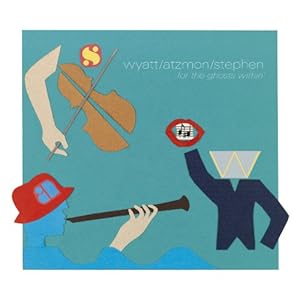
His new album, For The Ghosts Within, is a collaboration with the saxophonist Gilad Atzmon and the violinist Ros Stephen. There are many other instruments in the mix: A rhythm section, a string quartet, even a Palestinian rap group.
(Atzmon is an outspoken anti-Zionist — an anti-Semite, believes David Adler — and Wyatt is also a big supporter of Palestine.) Jazz is highly prominent; among other selections, Wyatt takes on a number of jazz and songbook standards. The group's take on "Laura," in particular, is redolent of the Charlie Parker with strings version, down to the opening string quartet introduction and a Bird-like alto sax solo.
I wonder about this question: Is this jazz?
Ok. Let's be clear: I'm not particularly interested in the specific answer of "yes" or "no." Worrying about genre labels is pretty silly, and untrue to many musicians' lived experiences — Robert Wyatt's especially. If a piece of music is good, it belongs to that category — good music — much more than any other.
Rather, I wonder about the question itself. Why are some jazz observers who should know better, including me, still curious to ask it? It happens a lot in situations like these, which sit on the fringe of the mainstream jazz conversation. Here are some related questions:
- When the name "jazz" finally falls out of fashion and/or relevance — and it will, whether in 80 or 800 years — will people still be singing the blues and improvising over a groove?
- If so, then why do many generally feel there is something worthwhile in having something we can unequivocally identify as jazz?
0 Comments:
Post a Comment